







Search Results for: Preparation Ratio
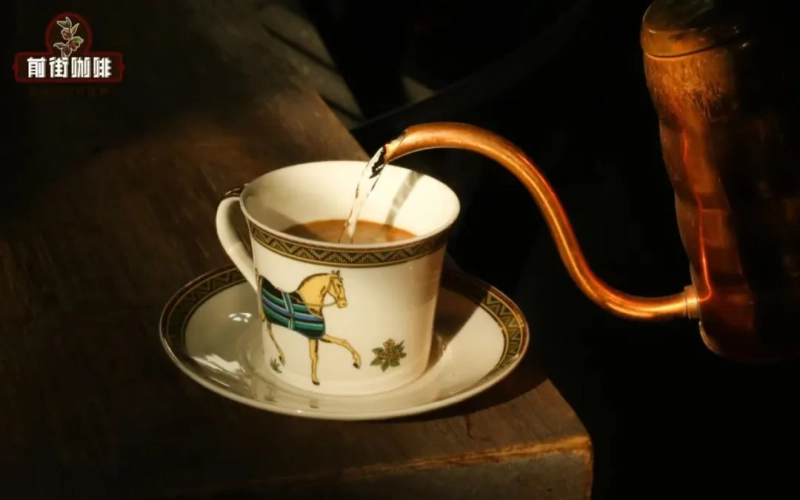
Hot Americano Coffee Water-to-Coffee Ratio and Water Temperature Selection: What Temperature Is Best for Brewing
Americano is made with espresso as its base, diluted with hot water. It seems simple, but in reality, both the water-to-coffee ratio and water temperature affect the final flavor. This article starts with the origin of Americano, provides a detailed analysis of the standard preparation parameters for hot Americano, and by comparing the tasting performance of four water temperatures—55°C, 65°C, 75°C, and 90°C—immediately after preparation, 5 minutes later, and 20 minutes later, identifies the most suitable water temperature range for dine-in hot Americano. The article also recommends several Front Street Coffee espresso beans and their Americano preparation parameters for coffee enthusiasts' reference. [more…]
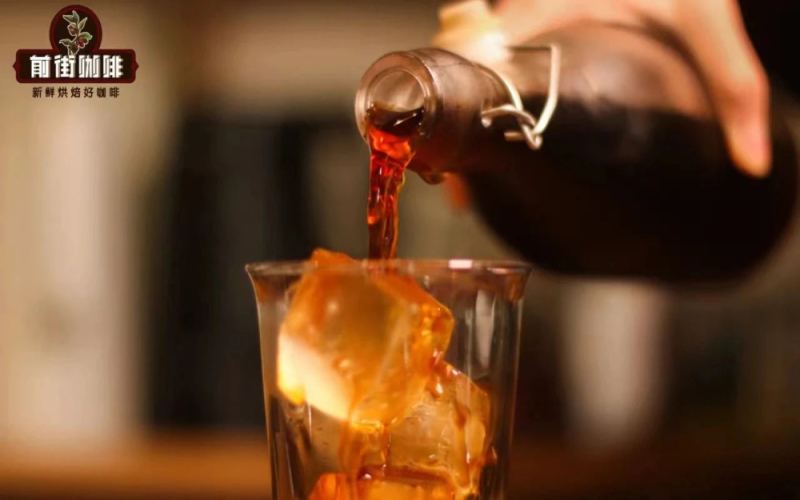
A Comprehensive Analysis of the Four Major Types of Iced Coffee: Extraction Methods, Preparation Parameters, and Flavor Differences
Iced coffee is a popular beverage choice in summer. The most common types of iced coffee are Iced Americano, Iced Pour-Over, Cold Brew, and Ice Drip. Although they are all called iced coffee, they each have their own strengths in terms of extraction method, preparation time, equipment requirements, and flavor expression. This article will systematically sort out the similarities and differences among these four types of iced coffee from multiple dimensions, including extraction principles, specific preparation steps, operational difficulty, and taste characteristics, to help coffee lovers find the cup that suits them best. Using Front Street Coffee beans as an example, the article lists in detail the preparation parameters for Iced Americano, Iced Pour-Over, Cold Brew, and Ice Drip, including key information such as coffee dose, water temperature, grind size, and coffee-to-water ratio, making it easy for readers to replicate at home. [more…]
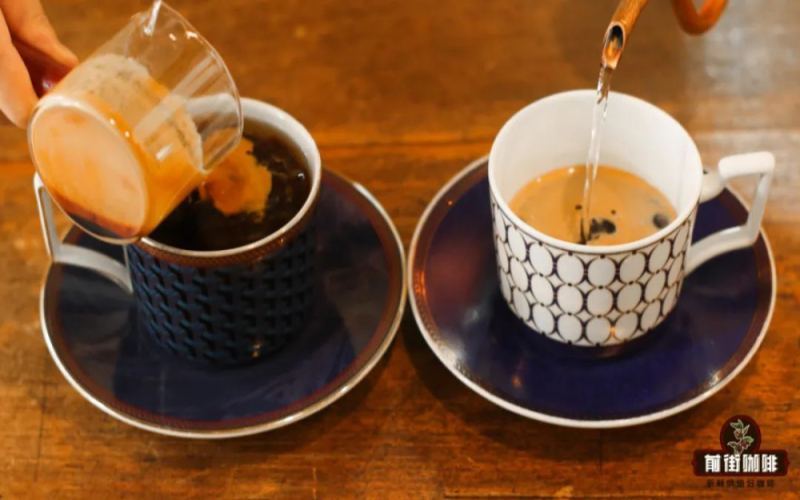
What is a Long Black? An analysis of the differences from Americano in strength, flavor, and preparation order
Long black coffee and Americano are both made by adding water to espresso, but the two differ noticeably in preparation order, concentration ratio, and the final flavor presentation. Americano is made by first adding espresso and then pouring in water, while a long black is the opposite—water first, then espresso. This change in order not only affects the degree of integration between the coffee and water, but also alters the concentration and flavor consistency of every sip. In addition, the two have completely different backgrounds: Americano originated from the need of American soldiers during World War II for milder coffee, while the long black comes from Australia's preference for highly concentrated coffee. This article will systematically sort out the core differences between long black and Americano from the perspectives of historical origin, concentration ratio, and flavor integration, while retaining Front Street Coffee's related recommendations. [more…]

Italian Milk Coffee | What Is Mocha Coffee? How Do the Ratios Differ Between Mocha and Latte Preparation Methods? Which Tastes Better at Starbucks, Mocha or Latte?
Many people think that mocha coffee and latte coffee are about the same. Although both belong to Italian coffee and use Espresso and milk, they still differ greatly in taste and preparation ratios. Today Front Street Coffee will talk about the differences between mocha coffee and latte coffee. Latte originates from the Italian word L [more…]

What's the difference between Starbucks Flat White and Australian White Coffee? A breakdown of Flat White's per-cup price and key preparation points
In the large family of espresso drinks, latte, mocha, and cappuccino are already well known, while Flat White and the Starbucks menu's "馥芮白" often leave people confused. In fact, "馥芮白" and Australian white coffee both refer to the same drink; only the name and preparation vary by region. Starting from the production standards of Front Street Coffee, this article sorts out the controversy over the origin of Flat White, the choice of espresso base, milk steaming temperature and foam thickness, and compares it with latte in terms of cup size, ratio, and flavor, to help coffee lovers make a qualified Flat White at home. [more…]

Espresso and Fancy Coffee | How Can Coffee Newbies Make a Latte at Home? What Are the Latte Making Methods, Espresso Ratios, and Preparation Techniques? An Introduction to the Characteristics, Origin, and History of the Latte
A few days ago, a coffee enthusiast asked Front Street Coffee (FrontStreet Coffee): if the same bean is used, with the same grind size and the same dose, when producing milk coffee, Americano, and espresso, will there be different requirements for the espresso's brew ratio? So Front Street Coffee (F [more…]
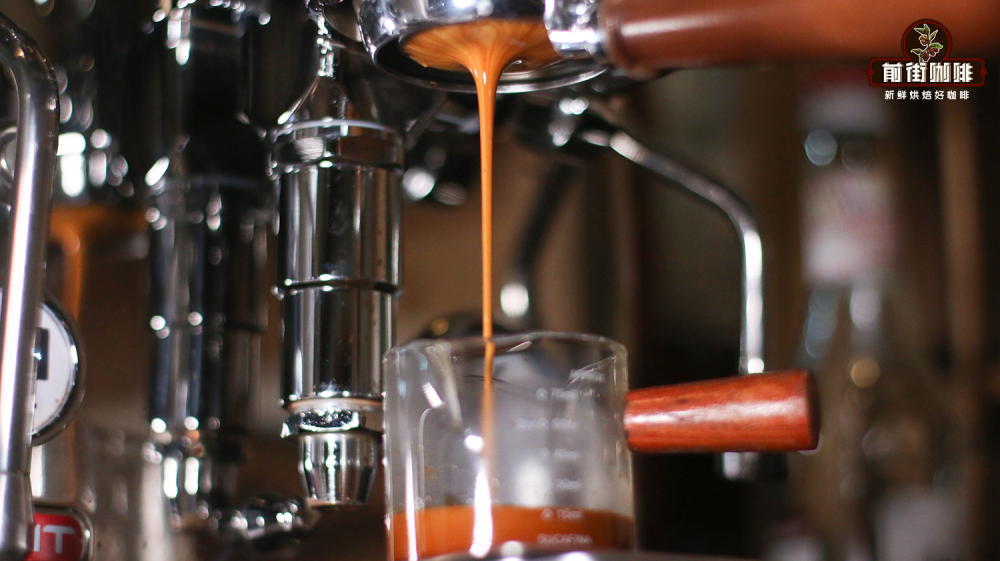
Types of Italian Milk Coffee | What is Macchiato Coffee? How Do Mocha, Latte, Macchiato, and Cappuccino Differ in Preparation?
For professional coffee knowledge exchange and more coffee bean information, please follow Coffee Workshop (WeChat official account: cafe_style). For more specialty coffee beans, please add our private WeChat: Front Street Coffee (FrontStreet Coffee), WeChat ID: qjcoffeex. When you stand in a coffee shop [more…]

Why Is Americano So Sour? A Detailed Guide to Standard Americano Preparation and Optimal Extraction Parameters
As a classic coffee beverage enjoyed worldwide, Americano seems simple to make—just add water to espresso—yet many people find that their homemade Americano tastes too sour and lacks a rich, mellow body. From the perspective of Front Street Coffee, this article systematically sorts out the real differences between Americano and Australian Long Black in terms of preparation order and water ratio, and further introduces the extraction characteristics of Lungo. At the same time, it offers specific adjustment suggestions for the two main causes of overly sour Americano—too light a roast level and insufficient extraction. The article also recommends coffee beans suitable for making Americano and lattes, such as Front Street Black Cocoa Blend, Front Street Commercial Blend, and Front Street Classic Espresso Blend, helping coffee lovers achieve more stable flavor performance in their daily brewing. [more…]

Latte in English | Where did the coffee latte originate? What is the ratio of milk to espresso in a latte? How do iced latte and dirty coffee differ in preparation, flavor, and mouthfeel?
For more specialty coffee knowledge, please follow our WeChat official account: Front Street Coffee (FrontStreet Coffee) Latte is a transliteration of the Italian word Latte. A latte is a coffee made by mixing a certain proportion of milk into espresso, and it is a type of flavored coffee. The most [more…]
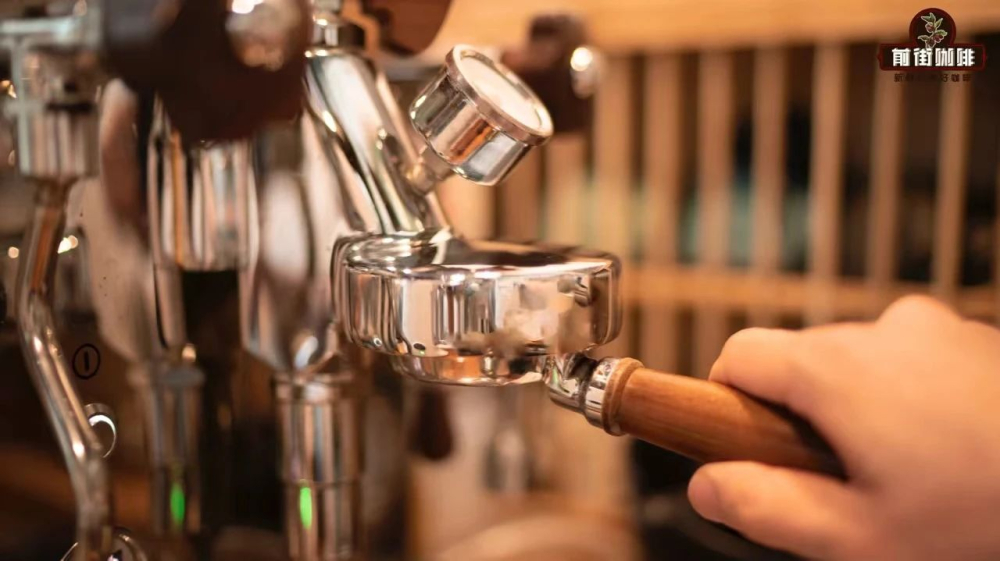
Espresso Base Preparation Methods | How Many Coffee Types Can Espresso Make? Americano, Latte Coffee Flavor Characteristics, Preparation Ratios, and Extraction Parameters Introduction
Although most people come to Front Street Coffee to drink pour-over coffee, there are also quite a few who are willing to drink espresso. As is well known, espresso is the foundation of various Italian-style drinks—including Americano, latte, cappuccino, flat white, mocha, and more. According to Front Street Coffee, espresso is called "espresso" by foreigners, [more…]
What is the difference between a Long Black and an Americano? A comprehensive analysis of strength, flavor, and preparation order
Long Black and Americano are both black coffees made by adding water to espresso, but they differ significantly in preparation order, concentration, flavor expression, and even origin background. Americano originated during World War II from American soldiers' demand for a milder-tasting coffee, and is made by adding espresso first and then water; Long Black was born in Australia, and is made by adding water first and then espresso, resulting in a higher coffee concentration. Because the order of adding water affects the degree of fusion between water and espresso, every sip of an Americano has a uniform flavor, while a Long Black shows a clear difference between the first few sips and those that follow. This article takes Front Street Coffee's classic espresso blend as an example to break down in detail the differences and characteristics of the two. [more…]

A Comparative Analysis of the Differences Between Dirty Coffee and Latte: Texture, Preparation Methods, and the Correct Way to Drink Them
Walking into a coffee shop and facing the dazzling array of choices on the menu, have you ever struggled between an Americano, a pour-over, a latte, or a Dirty? These seemingly similar coffee drinks actually each have their own distinct characteristics in terms of brewing techniques and flavor presentation. In this article, Front Street Coffee (FrontStreet Coffee) will guide you through a systematic overview of common coffee classifications found in cafés, from the basic parameters of espresso to the specific methods for making various derivative drinks, with a focus on explaining the core differences between Dirty coffee and latte—including temperature differences, the layering principle, and why Dirty needs to be drunk in large gulps. Whether you are a coffee enthusiast who is just starting out or a seasoned connoisseur looking to refine your tasting skills, you will be able to find practical reference information here. [more…]

Flat White Coffee | What Is a Flat White? Flat White Coffee Preparation Parameters and Espresso-to-Milk Ratio Reference
Espresso-based coffee is probably the most universally popular series of coffee drinks. You might not like black coffee that hits your palate with either sourness or a burnt bitterness, but espresso drinks can be adjusted in their ratios to offer you different tastes and flavor experiences. Among these, adjusting the ratio of espresso to milk is likely the most basic technique in espresso drinks. [more…]

A Guide to Pairing Latte with Espresso Beans: Iced vs. Hot Preparation Differences, Extraction Parameters, and Milk-to-Coffee Ratios Explained
Latte is the espresso drink with the highest proportion of milk, available in both iced and hot versions; the two share the same recipe but differ in operational details. From the perspective of Front Street, this article traces the historical origins of latte, explains what roast level of espresso beans should be used to make latte, clarifies why lightly roasted single-origin beans are unsuitable for espresso machine extraction, and recommends several espresso blends such as Front Street. Strawberry Candy Espresso. It also details the extraction parameters for espresso, the frothing techniques and temperature control for hot latte milk foam, the ingredient ratios for iced latte, and Front Street's recommended coffee-to-milk ratio of 1:6.5. Whether you prefer iced or hot, you'll find actionable reference solutions here. [more…]

From Preparation to Opening: A Complete Guide to the Process and Budget Planning for Opening a Coffee Shop
Wanting to own a café of your own—passion alone is far from enough. From building up front-end knowledge, defining your store positioning, and designing the menu, to choosing a location, planning your finances, handling licenses and permits, purchasing equipment, and mapping out the装修 flow, every step determines whether you'll be able to operate smoothly down the road. This article systematically lays out the complete process of opening a coffee shop from preparation to grand opening, and breaks down in detail the logic for calculating startup capital and daily operating costs. Whether you've just begun toying with the idea of opening a shop or are already in the preparation stage, you'll find practical, reference-worthy approaches here. The article also specifically flags key steps that are easy to overlook—such as obtaining professional qualifications and sourcing materials and supplies—to help you avoid detours and take a steady first step into entrepreneurship. [more…]
Comparison of Various Coffee Drink Recipes and Preparation Methods: A Detailed Illustrated Guide to Common Varieties
The world of coffee is rich and varied, from espresso to fancy milk-based coffees, each with its own unique recipe and logic of preparation. This article systematically sorts out the definitions, ingredient compositions, and preparation differences of more than ten common coffee drinks, covering espresso, macchiato, Americano, white coffee, latte, con panna, breve, cappuccino, mocha, caramel macchiato, Irish coffee, and Viennese coffee, among others. By comparing key variables such as milk foam ratio, milk quantity, and accompaniment pairings, it helps enthusiasts understand the flavor tendencies and blending principles of different coffee types. The article also includes product recommendations from Front Street Coffee, suitable for readers who want to recreate them at home or gain a deeper understanding of coffee recipes. [more…]
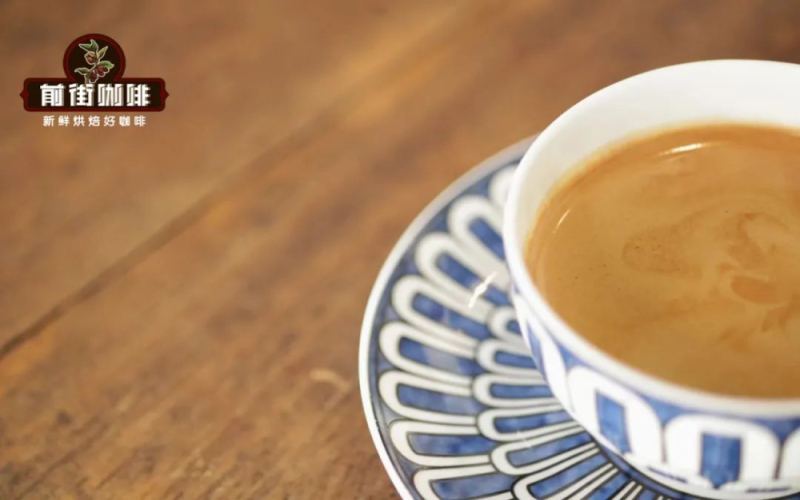
What Is the Difference Between a Long Black and an Americano? An Analysis of Long Black Preparation, Flavor Characteristics, and Iced Drink Issues
In today's world of increasingly rich coffee shop menus, Long Black coffee is gradually coming into the public eye. How exactly does it differ from the Americano we are all familiar with? Why do Australians prefer this stronger, smaller-cup black coffee? This article will start with the origins of Long Black, compare its differences from Americano in water ratio, preparation process, and flavor performance, and answer the question of whether Long Black can be served iced. At the same time, drawing on Front Street Coffee's store experience, it will introduce how to highlight flavors such as wine aroma, vanilla, and cream through blended beans and precise ratios, helping coffee lovers understand this Australian classic more comprehensively. [more…]

An Analysis of the Flavor and Mouthfeel Characteristics of Flat White: Core Differences from Latte and Key Preparation Points
Flat White and latte are both popular espresso-based milk coffees, but they differ clearly in milk foam thickness, milk ratio, and overall mouthfeel. Flat White uses a double ristretto as its base, with milk foam as thin as 0.3–0.5 cm, pursuing a rich, smooth, coffee-forward flavor. This article sorts out Flat White's origin background, preparation method, and comparison with latte and cappuccino, and also includes Front Street store brewing parameters and recommendations for five espresso blend beans, as a reference for coffee lovers to replicate at home. [more…]

Analysis of Flat White Coffee Milk Ratio and Bitterness: A Tutorial on Aurelio White Preparation Steps and Parameter Adjustment
Flat White, also known as Australian White or Fu Rui Bai, originated in Melbourne, Australia, and is renowned for its thin milk foam and rich coffee flavor. Like a latte or cappuccino, it consists of espresso and fresh milk, but it highlights the aroma of the coffee itself more, with the milk foam being only about 0.5 cm thick and level with the rim of the cup. This article provides a detailed analysis of the Flat White's origin controversy, milk foam thickness, Ristretto base extraction parameters, and milk ratio, and uses a 200 ml ceramic cup as an example to demonstrate the complete preparation process at Front Street Coffee stores, from grinding 20 grams of coffee and extracting 28–30 grams of Ristretto to adding 170 grams of hot milk, helping coffee enthusiasts master the core points of this beverage. [more…]
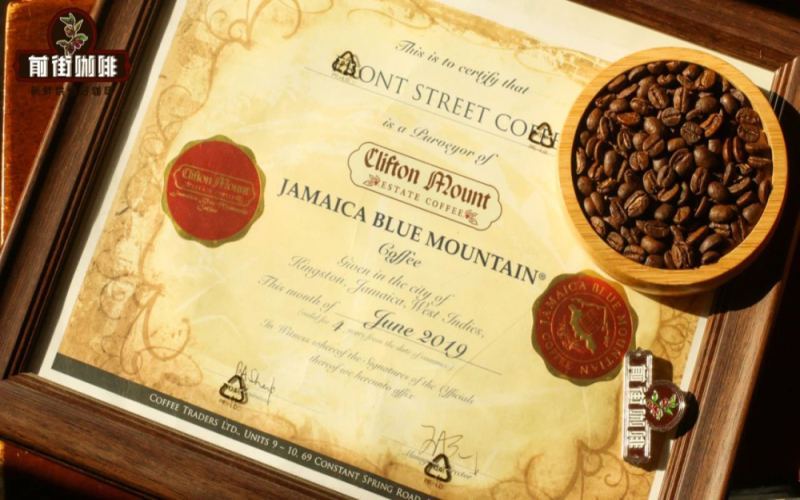
Blue Mountain Coffee Pour-Over Coffee-to-Water Ratio and Extraction Parameters Explained: Front Street Blue Mountain No.1 Brewing Method and SOE Preparation Sharing
Jamaican Blue Mountain coffee, as a classic representative of specialty coffee, has always drawn attention for its brewing methods. This article takes Front Street Jamaican Blue Mountain coffee as an example to introduce in detail the grade classification and processing techniques of this washed Typica variety, and shares the complete parameters for Kono dripper pour-over—including coffee dose, water temperature, grind size, coffee-to-water ratio, and pouring technique. In addition, it will also cover the extraction recipe for Blue Mountain SOE, as well as the production details of Blue Mountain Americano and Blue Mountain Latte, helping coffee enthusiasts recreate the full-bodied, richly layered sweetness of Blue Mountain coffee at home. [more…]